

Patients exploring orthodontic treatment often narrow their choices down to two options: traditional metal braces or clear aligners such as Invisalign®. For anyone considering Invisalign in Easton, PA, understanding how these approaches differ makes it easier to choose with confidence.
Both can create a straighter, healthier smile. The biggest differences show up in daily life, from mealtimes to how the treatment looks in photos.

How Clear Aligners and Braces Compare
Braces and aligners both apply gentle, steady pressure that guides teeth into better positions over time. The American Association of Orthodontists notes in its guide to braces versus clear aligners that the right choice depends on each patient's needs, goals, and lifestyle.
Appearance
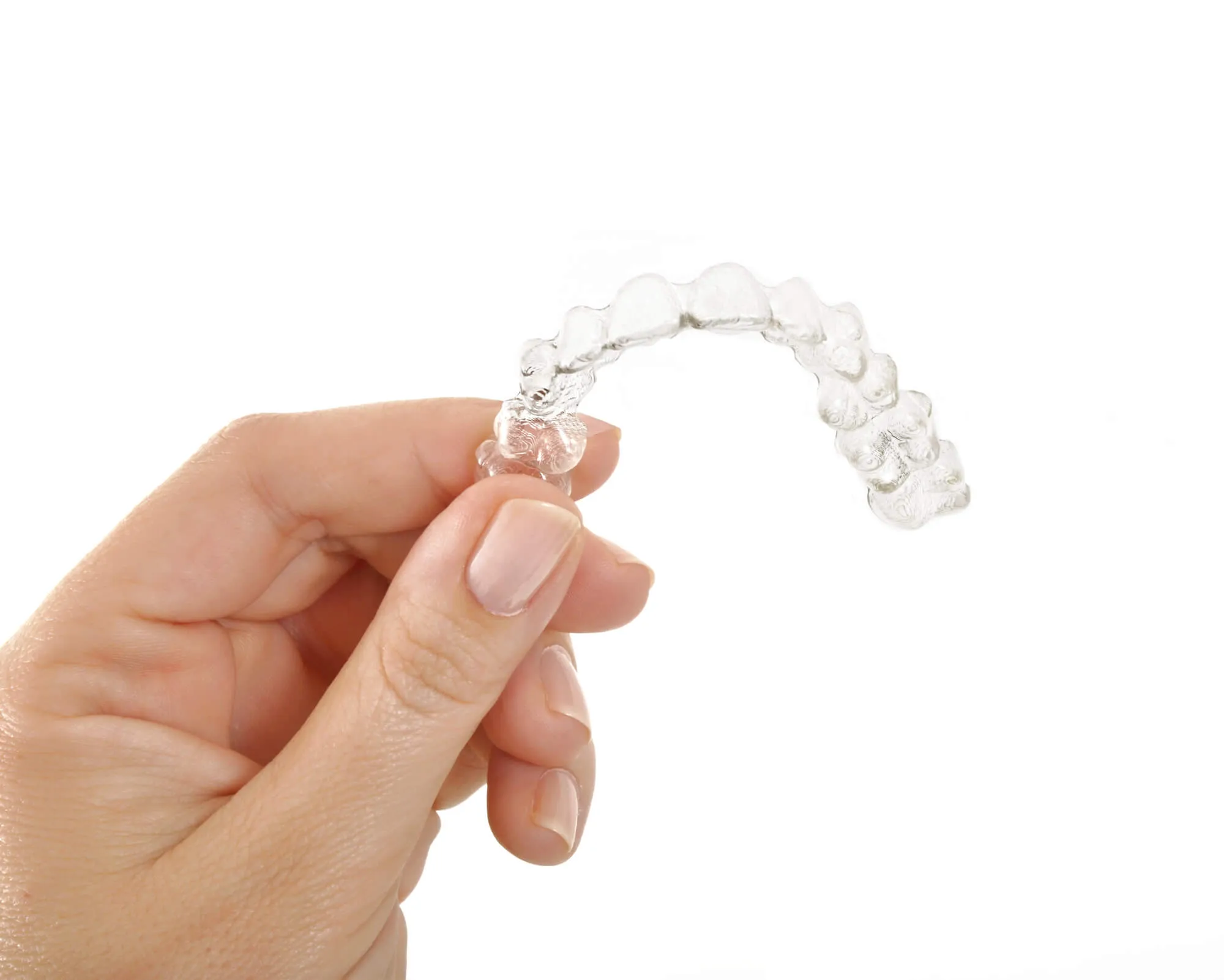
Traditional braces use brackets and wires, which remain visible throughout treatment. Clear aligners are made of thin, transparent plastic, so most people won't notice them during conversations or meetings.
This discreet look is a major reason adults and busy professionals often lean toward aligners. The trays can even be temporarily removed for important occasions, such as weddings or photo shoots.
Comfort
Some soreness is normal with either option, especially in the first few days. With aligners, mild pressure usually shows up when switching to a new set of trays and fades quickly.
Aligners also have smooth edges with no metal brackets. That means fewer chances of irritation to the cheeks and lips.
Eating and Daily Cleaning
Daily routines vary quite a bit depending on the option. Here's how they compare:
- Aligners come out for meals, so there are no food restrictions
- Braces require avoiding hard, sticky, and crunchy foods
- Aligner wearers brush their teeth before putting the trays back in
- Braces call for careful cleaning around brackets and wires
With either approach, professional teeth cleanings help keep teeth and gums healthy throughout treatment.
Lifestyle and Responsibility
Aligners offer freedom, but they only work when they're worn. The AAO recommends wearing aligners at least 22 hours a day, which requires steady commitment.
Each new set of custom clear trays shifts the teeth a little further, with the dentist changing trays every several weeks. Braces, on the other hand, stay in place full time and can't be misplaced.
Frequently Asked Questions About Clear Aligners
Can Adults Use Clear Aligners?
Absolutely. The ADA notes that orthodontic treatment at any age can work for healthy teeth, and aligner treatment is available for patients of all ages.
How Does a Patient Know Which Option Fits Best?
A comprehensive dental exam helps the dentist evaluate bite alignment, tooth health, and treatment goals. From there, the dentist can recommend the most suitable path.
What Happens After Treatment Ends?
Most patients wear a retainer afterward to help hold their teeth in their new positions. Some also choose professional teeth whitening to brighten their newly aligned smile.
Explore Invisalign in Easton, PA, at Affordable Dental Solutions
A straighter smile can fit into a busy life with the right treatment plan. If you're curious about Invisalign in Easton, PA, our friendly team at Affordable Dental Solutions would love to help. Request an appointment today to discuss your goals and flexible payment options.
*Invisalign®, the Invisalign logo, and iTero®, among others, are trademarks and/or service marks of Align Technology, Inc. or one of its subsidiaries or affiliated companies and may be registered in the U.S. and/or other countries.

